

“Heraldry is the fusion of fact and fancy, myth and manner, romance and reality…”
– Charles John Burnett, Dingwall Pursuivant of Arms in Ordinary 1983 – 2010
It’s important when redrawing original arms from carvings, paintings or documents, to keep the original historic shapes and feel of the figures used intact. I research and cross-reference material where possible to find the original forms used and recreate them faithfully.
Many elements may have been redrawn over the years and, depending on the style of the time, taken on embellishments and artifice that can be pared back to something more elegant and simple.
There are three types of commission I undertake from existing arms – re-creation, redrawing and simplification:
For re-creation I will use provided reference material – such as photos of carvings or paintings, to re-create a coat of arms as close as possible to the original.
For re-drawing I require a high-quality image from the client to reproduce in a digital vector format. The final artwork is a faithful illustration of the original.
Simplification for when the original coat of arms need clarifying for better reproduction, say for use as a logo. Elements such as the shield or crest can be isolated and re-drawn if required.
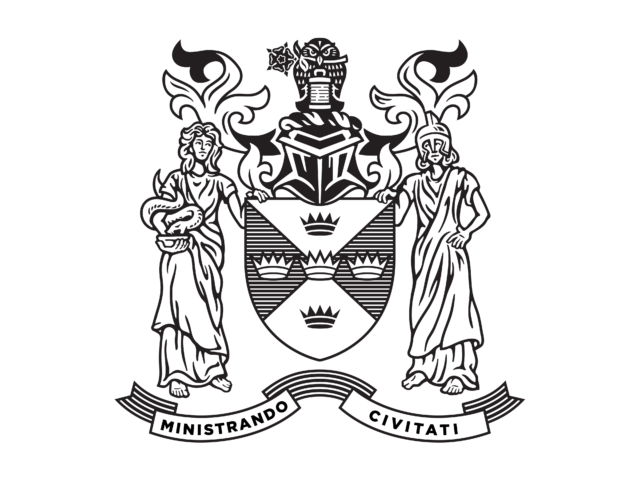
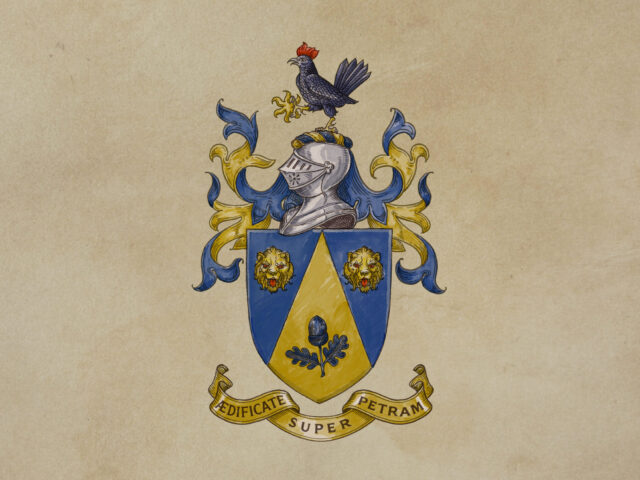

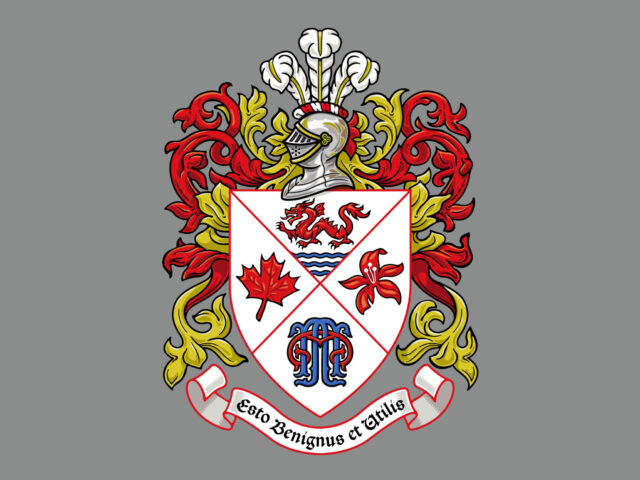
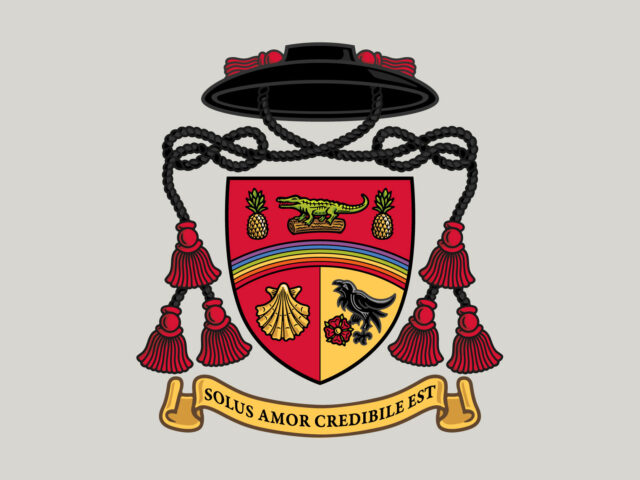
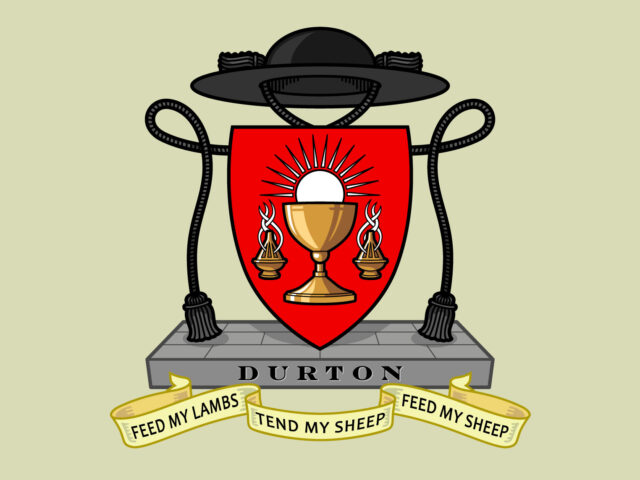
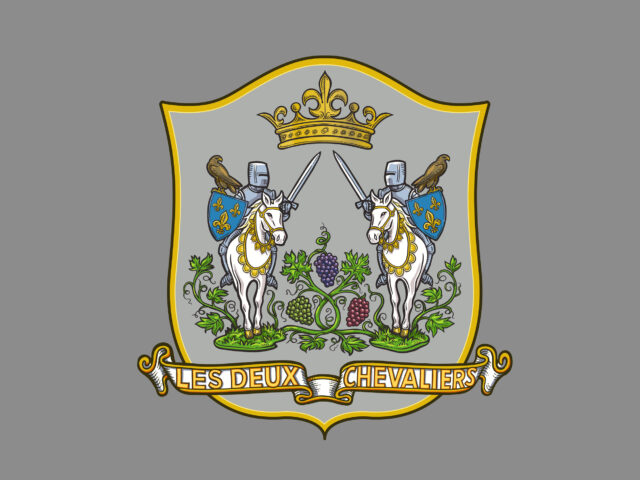

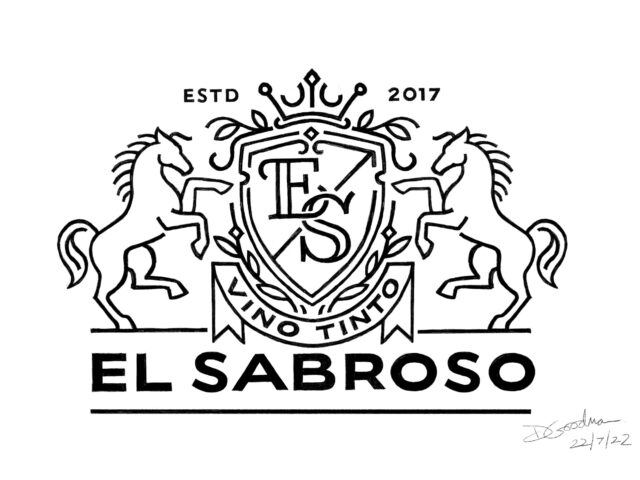
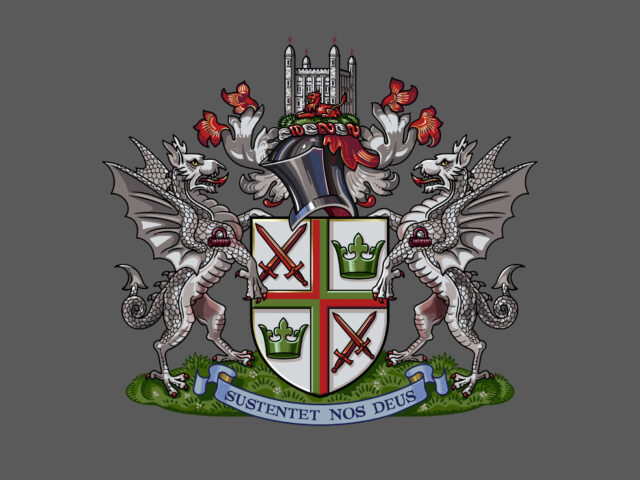
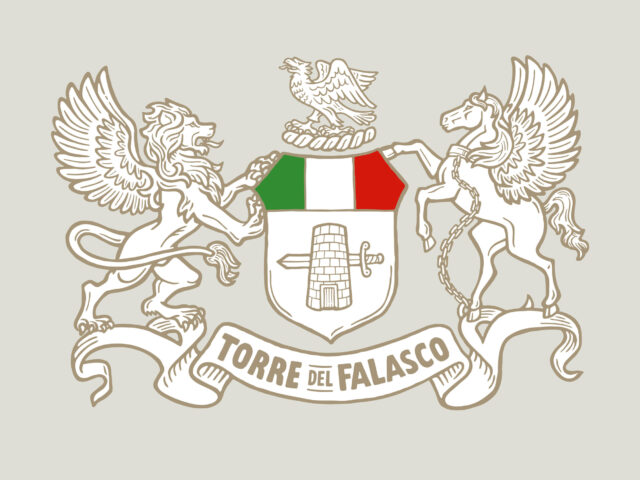

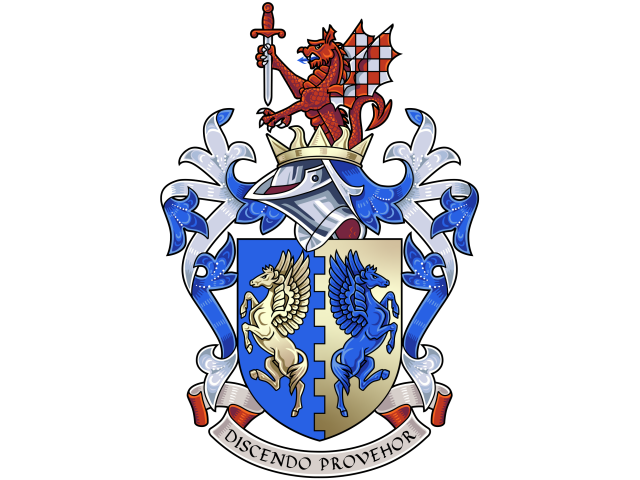

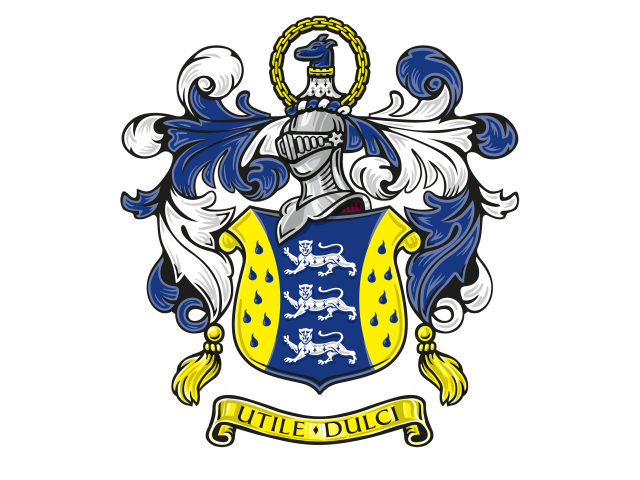
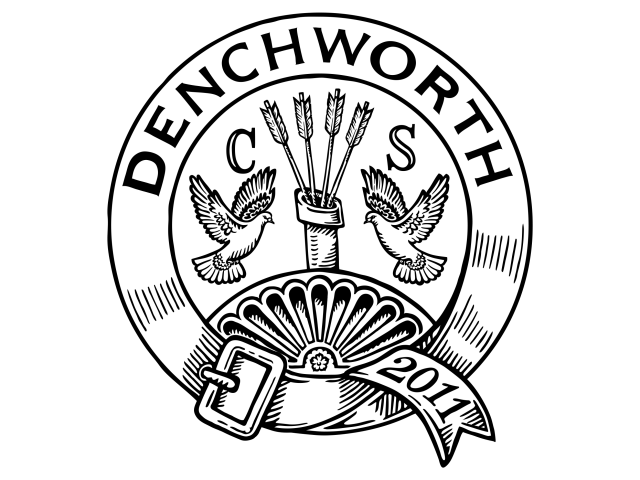

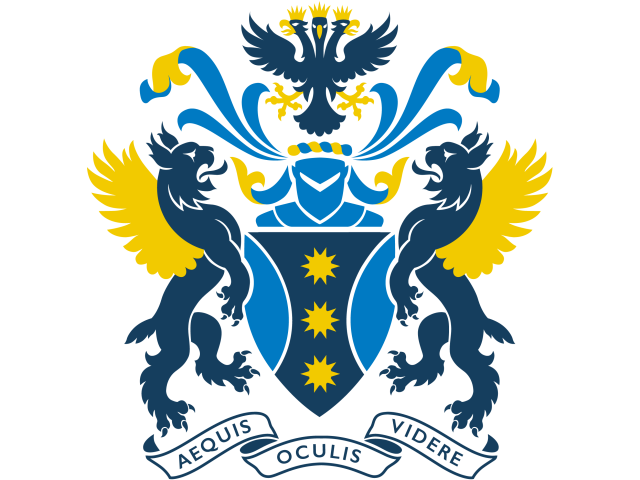
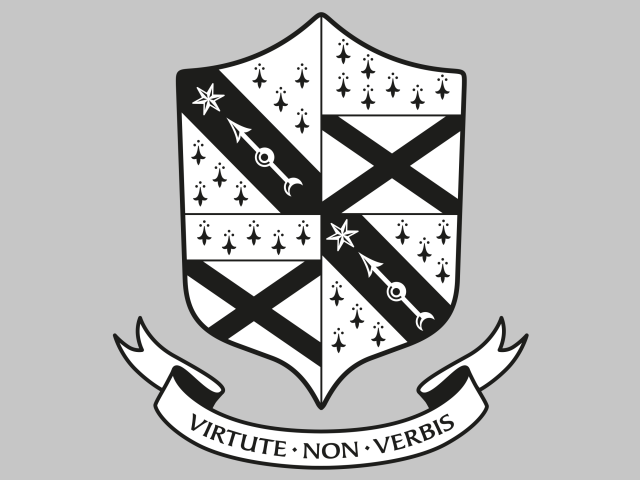
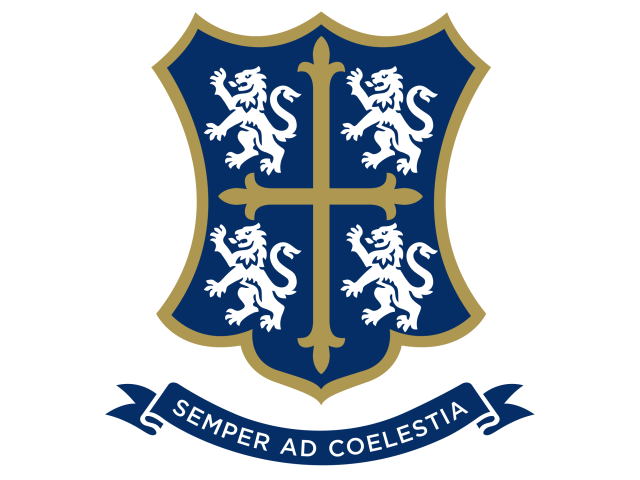
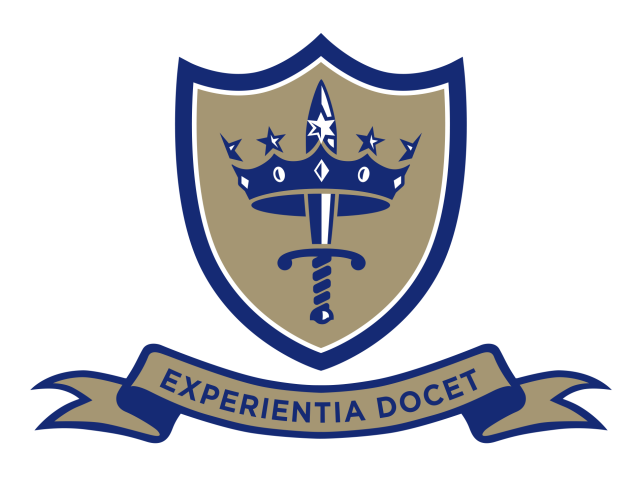

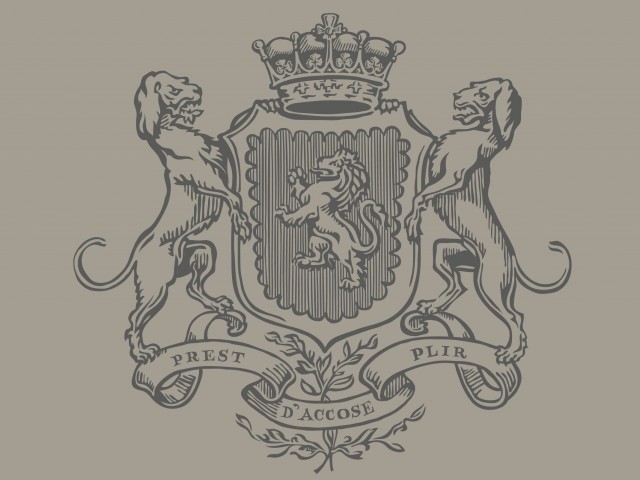
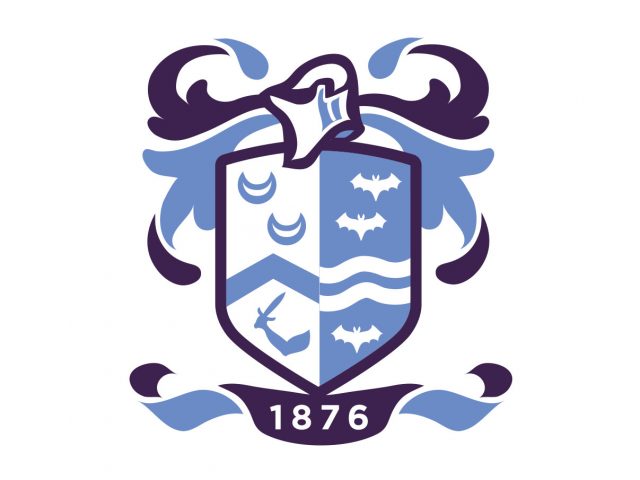


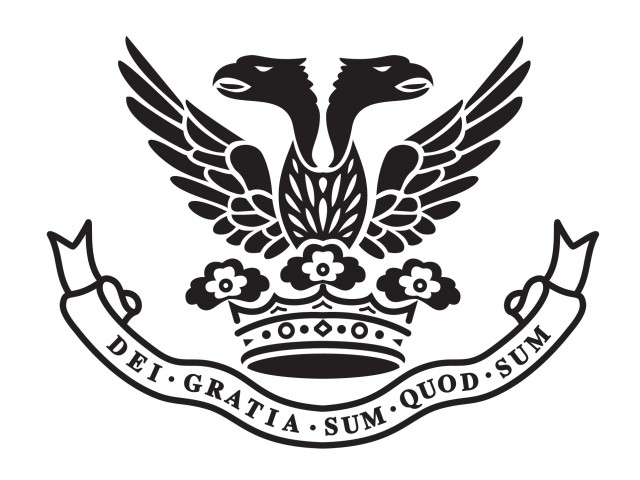
I’ll usually work in Adobe Illustrator – vector editing software – hand-drawing the elements using a graphics tablet. The final file is in vector format meaning it can be enlarged to any size without losing clarity. The format can be edited easily to make changes.
A few interesting facts about Coats of Arms and their use in the UK…
- In England and Wales The College of Arms is responsible for the issuing and control of Coats of Arms. In Scotland it’s under the jurisdiction of the Lord Lyon King of Arms.
- Legal Coats of Arms are awarded to individuals, not to families or surnames. They can be inherited through male lineage.
- Many people could actually apply and be granted the right to a coat of arms as a “test for eminence” can be a university degree or a professional qualification. The cost might be a bit prohibitive at around £5,000.
- It’s not acceptable to use existing arms without the permission of the owner, or proof that you are directly descended through the male line to the original owner.
- A new design has to be unique and have at least two “linear differences” so it’s distinctive when appearing in black and white.
- In the UK the High Court of Chivalry deals with cases where ownership is disputed, though the last time a case was heard over sixty years ago.
- A “crest”actually refers to the bit above the “helm” and not to the whole arms.
- When the description of a Coat of Arms describes something left (sinister) or right (dexter) – it means from the viewpoint of the bearer not someone looking at the shield.
A few phrases used in describing elements of a Coat of Arms
Bend – A broad diagonal strip from top left to bottom right of a shield
Blazon – The description that lays out the elements of a particular Coat of Arms
Bordure – A border
Chevron – An inverted V shape
Chief – A broad strip across the uppermost part of a shield
Crest – The part of the design above the crown or helm
Dexter – Right-hand side of the shield – from the user’s point of view, not the observer’s
Ermine – A fur made from the white pelt of the ermine on which the black tips of the creature’s tail appear
Fess – A broad strip horizontally across the centre of the shield
Field – The background of a shield
Helm – The helmet above the shield. This can also be a mitre if for a bishop or a crown for royalty
Mantling – A small cloak hanging from the back of the helm, usually shown as shredded and in an updraft
Orle – An inner border
Pale – A broad vertical strip down the centre of a shield
Sinister – Left-hand side of the shield – from the user’s point of view, not the observer’s
Supporters – The animals or in some case human figures that stand either side of the shield
Torse or Wreath – A cord of twisted silk which holds the mantling to the top of the helm and forms the base of most crests
Mythical animals often used on Coats of Arms
Dragon – a symbol of power and protection
Unicorn – a horse with a long twisted horn growing from its forehead
Griffin / Gryphon – a winged creature with the head and talons of an eagle and body of a lion
Wyvern – a two-legged winged dragon
Phoenix – an immortal bird that can regenerate itself through fire
Chimera – a monstrous hybrid creature made up of the body parts of various animals. Usually the body of a lion, the head of a goat, with the tail of a serpent.
Cockatrice – a half-cock half-snake creature with reptilian unfeathered wings
Winged horse / Pegasus – a winged horse in Greek mythology
Winged lion
Attitudes of heraldic beasts describes how they are postitioned or posed:
Couchant – Lying down – but with the head raised
Courant – Running – full stride with all four legs in the air
Dormant – Sleeping – eyes closed and head lowered, resting on the forepaws
Passant – Striding – walking with one foreleg raised
Rampant – Rearing – standing up on one hind leg and pawing the air with the other three
Salient – Leaping – both hind legs together on the ground and both forelegs together in the air
Sejant – Sitting – sits on haunches, with both forepaws on the ground
Statant – Standing – all four feet on the ground, usually with the forepaws together
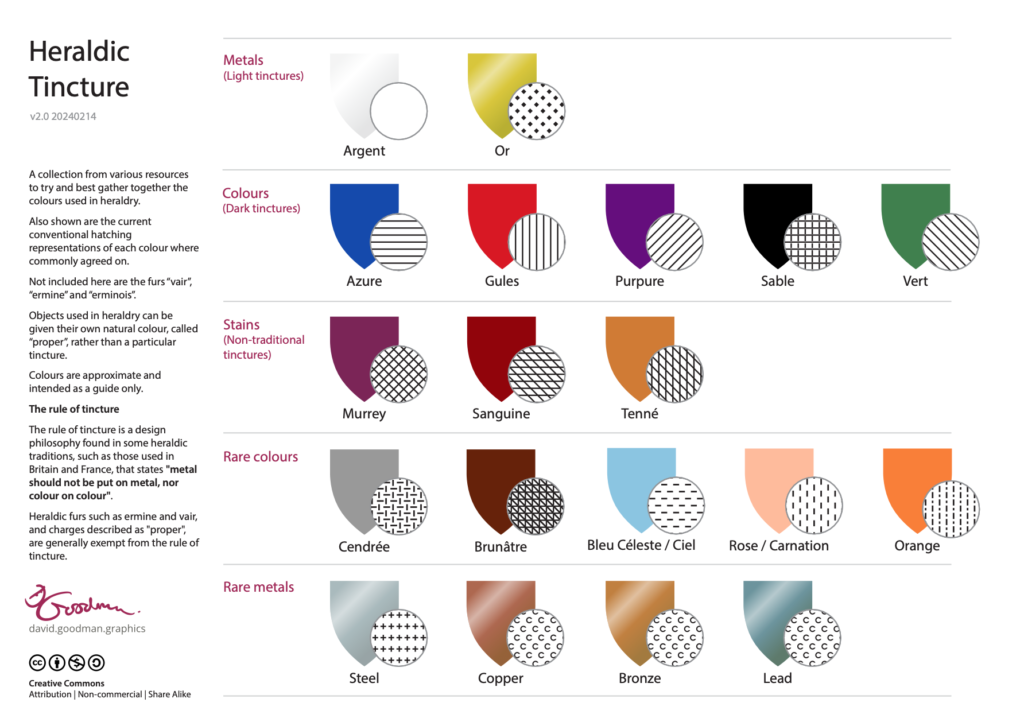
Colours used in Coats of Arms (Heraldic Tincture)
METALS (Light tinctures)
Argent – Silver – mostly shown as white
Or – Gold – often shown as yellow
COLOURS (Dark tinctures)
Azure – Blue
Gules – Red
Purpure – Purple
Sable – Black
Vert – Green
STAINS (Non-traditional tinctures)
Murrey – Dark reddish purple
Sanguine – Dark red
Tenné – Dark orange / orange tawny / light brown
RARE COLOURS
Cendrée – ashes / iron / stone grey
Brunâtre – dark brown
Bleu Céleste / Ciel – light or sky blue
Rose / Carnation – pale pink
Orange
RARE METALS
Steel
Copper
Bronze
Lead
It’s rare to place a colour on a colour, a metal on a metal and a fur on top of another fur. And The Rule of Tincture followed in many traditions forbids the use of metal on metal and colour on colour. If an object is coloured ‘proper’ – meaning coloured as it naturally is then this rule does not apply to that element. For example ‘a sword proper’ which has an Argent or Or blade can appear on a metal field.
I’ve recently put together a reference guide of tinctures, metals and stains that I’ve found useful to refer to. I haven’t included the furs in this guide though I think I will probably add that at some stage. You can download the PDF of the tincture and heraldry colours guide here.
Shield or Escutcheon shapes and styles
I’ve compiled a collection of common shield shapes – and given them names.

Can you repair a coat of arms ,that was given to husband a few years ago? I am trying to get for my children.